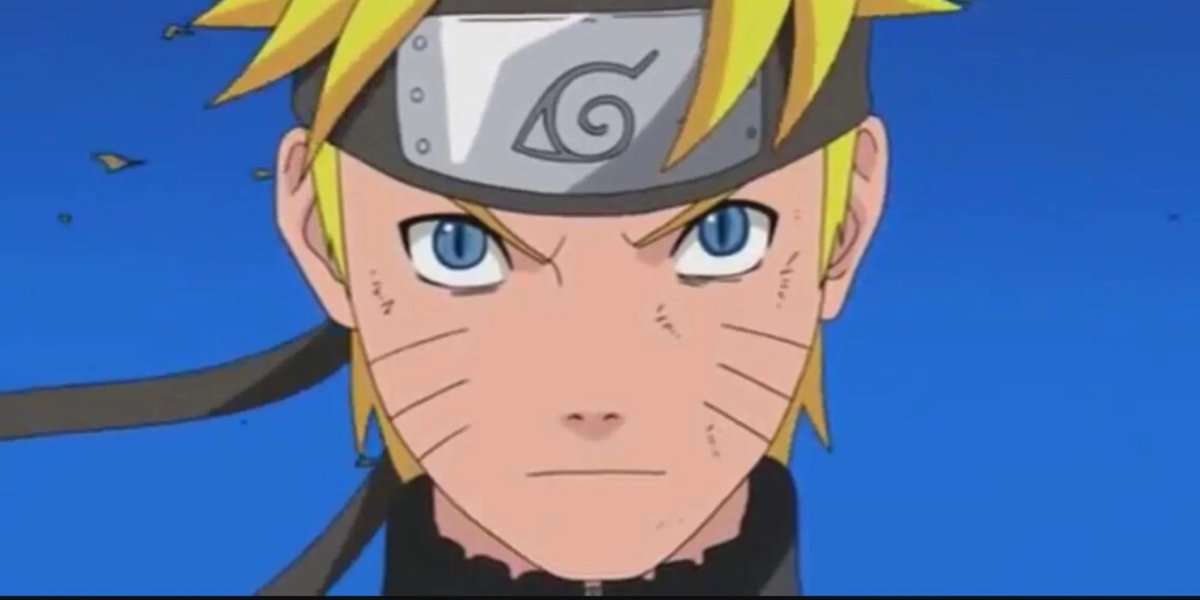
Welcome to the ultimate resource for understanding the intriguing question of Naruto Uzumaki's presence within the world of Inuyasha. You've landed here because you're curious, perhaps a little confused, or simply exploring the fascinating crossovers and fan theories that connect our favorite anime universes. This Super Pillar Hub is designed to cut through the speculation, clarify the facts, and dive deep into why this question sparks so much interest among fans.
We'll address the core query head-on, then journey through the distinct worlds of Naruto and Inuyasha, highlighting their unique elements, and finally, explore the unexpected parallels that might lead to such intriguing questions. Get ready to have all your questions answered and more!
The Core Question: Is Naruto Uzumaki Actually in Inuyasha?
Let's get straight to it: No, Naruto Uzumaki does not officially appear in Inuyasha. While both series are iconic anime and manga juggernauts, they originate from entirely separate creative universes, crafted by different legendary mangaka. Masashi Kishimoto created Naruto, a story of ninja in a world of chakra and villages, while Rumiko Takahashi brought to life Inuyasha, a tale of demons, miko, and feudal Japan.
This fundamental separation means that any encounters or interactions between Naruto and Inuyasha are confined to the realm of fan-fiction, speculative crossovers, or wishful thinking. For a comprehensive breakdown of this common misconception, we've prepared a dedicated guide: Is Naruto Uzumaki Actually in Inuyasha? Debunking the Crossover Myth.
Understanding Naruto Uzumaki: A Hero's Journey
To fully appreciate why Naruto's story stands apart, it's crucial to understand the hero himself. Naruto Uzumaki is the indomitable, titular protagonist of Masashi Kishimoto's globally beloved series, "Naruto," and its sequel, "Boruto: Naruto Next Generations." Born an orphan in the fictional Hidden Leaf Village, he carried the burden of the Nine-Tailed Demon Fox, Kurama, sealed within him. This tragic past led to ridicule and isolation, fueling his initial mischievous antics and, more profoundly, his burning desire to become the Hokage—his village's leader—to earn recognition and respect.
His journey is a classic "Bildungsroman," a coming-of-age story that resonates with millions. If you're looking for an in-depth exploration of his character, abilities, and significant milestones, check out our pillar guide: Who Exactly Is Naruto Uzumaki? A Deep Dive into the Seventh Hokage.
From Orphan to Hokage: Naruto's Path to Greatness
Naruto's narrative arc is one of immense growth and transformation. From his initial graduation from the ninja academy, mastering the Multi-Shadow Clone Jutsu with the help of his first true father figure, Iruka Umino, to forming the legendary Team 7 with Sasuke Uchiha and Sakura Haruno, his path was anything but ordinary.
- Early Training & Trials: Under the tutelage of the legendary Jiraiya, Naruto honed his skills, learning signature techniques like the Summoning Jutsu and the iconic Rasengan. He confronted powerful foes, including Gaara, the One-Tail jinchuriki, and witnessed the destructive reach of the Akatsuki.
- The Pursuit of Sasuke: Sasuke's defection to Orochimaru marked a pivotal moment, driving Naruto into a two-and-a-half-year training odyssey with Jiraiya, further solidifying his resolve and developing his powers.
- Confronting Pain & Sage Mode: Upon his return, Naruto rescued Gaara, developed the potent Wind Release: Rasenshuriken, and after Jiraiya's tragic death, mastered Sage Mode, ultimately confronting and defeating Pain, convincing him to cease his destructive path.
- War and Legacy: He gained full control of Kurama's power with his mother Kushina's help, discovered his parentage from Minato, and played a central role in the Fourth Great Ninja War, receiving Six Paths Senjutsu chakra from Hagoromo Ōtsutsuki. The war concluded with a monumental reconciliation with Sasuke.
As an adult, Naruto fulfilled his lifelong dream, becoming the Seventh Hokage, married Hinata Hyuga, and became a father to Boruto and Himawari. His story continues in Boruto: Naruto Next Generations, where he faces new threats and even sacrifices Kurama during the intense battle against Isshiki Ōtsutsuki, a testament to his unwavering commitment to his village and loved ones.
Naruto's Enduring Legacy and Impact
Beyond his direct narrative, Naruto's influence extends deeply into popular culture. He has appeared in all 11 related films, numerous OVAs, and over 50 video games, including major crossover titles like "Fortnite Battle Royale." His character development has garnered critical acclaim for defying typical shōnen stereotypes, showcasing a complex hero who embodies unwavering optimism and persistence against prejudice. From theme parks in Shanghai to a Google easter egg celebrating his manga's 25th anniversary, Naruto Uzumaki remains a global phenomenon. For more on his appearances outside his main continuity, explore our guide on Where Naruto Uzumaki Truly Crosses Over: Official Cameos and Appearances.
Exploring the World of Inuyasha: A Brief Overview
To understand the full scope of our discussion, it's equally important to briefly touch upon the world of Inuyasha. This beloved series transports viewers to a fantastical version of feudal Japan, where demons, spiritual powers, and time travel weave together a rich tapestry of adventure and romance. Its protagonist, Inuyasha, is a half-demon, driven by the quest for the Shikon Jewel fragments and navigating complex relationships with humans and demons alike.
The lore, aesthetic, and power systems are distinct from Naruto's ninja world, grounding it in Japanese mythology and historical fantasy rather than contemporary martial arts. To better understand the context of the half-demon hero and his universe, we invite you to read our overview: Understanding Inuyasha: The Half-Demon Protagonist.
Unpacking the "Naruto in Inuyasha" Mystery: Why the Confusion?
So, if Naruto and Inuyasha are from different universes, why does the question of Naruto appearing in Inuyasha even arise? This is a fascinating aspect of fandom and the human desire for connection across beloved stories. Several factors likely contribute to this popular query:
- General Anime Crossover Culture: Fans frequently speculate about or create their own crossover scenarios, imagining how characters from different series would interact. The sheer popularity of both Naruto and Inuyasha makes them prime candidates for such imaginative pairings.
- Shared Shonen Audience: Both series, while having distinct genres (ninja fantasy vs. feudal fantasy), appeal to a similar demographic that appreciates adventure, action, character growth, and strong emotional arcs.
- Ambiguity for New Fans: Newer anime fans, or those less familiar with the full breadth of both series, might assume a connection due to their widespread recognition and long runs.
- Fan-Fiction and Fan Art: The internet is teeming with fan-created content that blends different universes. A single piece of popular fan art or a well-written fan-fiction story could easily spark the idea in a reader's mind that such a crossover is official.
Understanding these underlying reasons helps explain the persistence of the "Naruto in Inuyasha" query. For a deeper dive into the fan theories and speculation, consult our pillar on Why The Confusion? Exploring Naruto and Inuyasha Crossover Speculation.
Worlds Apart: Key Differences Between Naruto and Inuyasha Universes
While both anime series are cornerstones of Japanese animation, their foundational elements are remarkably distinct. Recognizing these differences solidifies why Naruto and Inuyasha exist in separate narrative bubbles.
Here are some core distinctions:
- Creators:
- Naruto: Masashi Kishimoto
- Inuyasha: Rumiko Takahashi (also known for Ranma ½ and Urusei Yatsura)
- Setting & Era:
- Naruto: A fictional world with distinct ninja villages, technological advancements (especially in Boruto), and a unique chakra-based power system.
- Inuyasha: Primarily set in Japan's Sengoku period (feudal Japan), steeped in historical aesthetics, traditional Japanese mythology, and folk tales, with elements of modern-day Japan through Kagome's time travel.
- Power Systems:
- Naruto: Relies on chakra, a spiritual and physical energy manipulated for jutsu (ninja techniques), taijutsu (hand-to-hand combat), and genjutsu (illusions). Tailed Beasts and Sage Mode further expand these abilities.
- Inuyasha: Features spiritual powers (miko abilities), demonic powers (yokai abilities, often tied to heritage or absorption), magical artifacts like the Shikon Jewel, and unique weapons.
- Character Archetypes:
- Naruto: Predominantly human ninja with some special lineages or connections to mythical creatures.
- Inuyasha: Features a diverse cast of humans, full-blooded demons (yokai), half-demons (hanyo), and spiritual beings.
Exploring these fundamental contrasts makes it clear that while both worlds are fantastical, their rules, inhabitants, and origins are entirely independent. For a detailed breakdown of how these universes diverge, explore Diving Deep Into the Worlds of Naruto and Inuyasha: Key Differences.
Beyond the Crossover: Shared Shonen Spirit?
Despite their official separation, it's not entirely unreasonable for fans to sense a shared "spirit" or certain thematic echoes between Naruto and Inuyasha. Both series, as products of the broader shōnen genre, touch upon universal themes that resonate deeply with audiences:
- Underdog Heroes: Both Naruto and Inuyasha start from positions of ostracization or disadvantage, striving to overcome prejudice and prove their worth. Naruto, the orphan jinchuriki, and Inuyasha, the half-demon, both struggle for acceptance.
- The Power of Friendship and Found Family: Strong bonds with allies, teammates, and mentors are central to both narratives. Naruto's Team 7, Iruka, and Jiraiya mirror Inuyasha's bond with Kagome, Sango, Miroku, and Shippo.
- Overcoming Adversity: Both protagonists face immense challenges, from powerful foes to internal struggles, and their journeys are defined by their persistence and growth.
- Quest for Belonging and Identity: A core theme in both stories is the protagonists' search for their place in the world and understanding their own identities, often tied to their unique powers or heritage.
These thematic similarities, though expressed through different cultural lenses and power systems, are perhaps what truly sparks the initial curiosity about a potential crossover. Discover more about these intriguing thematic overlaps in our guide: Unexpected Parallels: Shared Themes Between Naruto and Inuyasha.
Separating Canon from Fan Speculation
In conclusion, it's vital for fans to understand the distinction between official canon and the vibrant world of fan creation. While Naruto Uzumaki's incredible journey unfolds solely within his own universe (with sanctioned crossovers only happening in specific, announced titles like Fortnite), the imagination of the fandom is limitless.
The joy of anime often lies not just in the stories told by their creators but also in the communities that grow around them, constantly reinterpreting, reimagining, and connecting beloved characters. So, while Naruto isn't officially wielding his Rasengan in feudal Japan, the spirit of curiosity and connection that prompts such a question is a testament to the enduring power of both Naruto and Inuyasha. Keep exploring, keep questioning, and keep enjoying the rich tapestry of anime!